
When Sunshine Arrives: What Drama Really Does for Young Children
A nursery manager reflects on what happened when DramEd came through the door.
We talk a lot about what drama does for children — the confidence it builds, the language it unlocks, the imagination it sets free. But sometimes the clearest picture of that impact doesn't come from a practitioner or a researcher. It comes from a nursery manager who watches it happen every week.
That's exactly what Rubina Syed, Manager of Maria Montessori Nursery School, shared with us recently — and her words stopped us in our tracks.
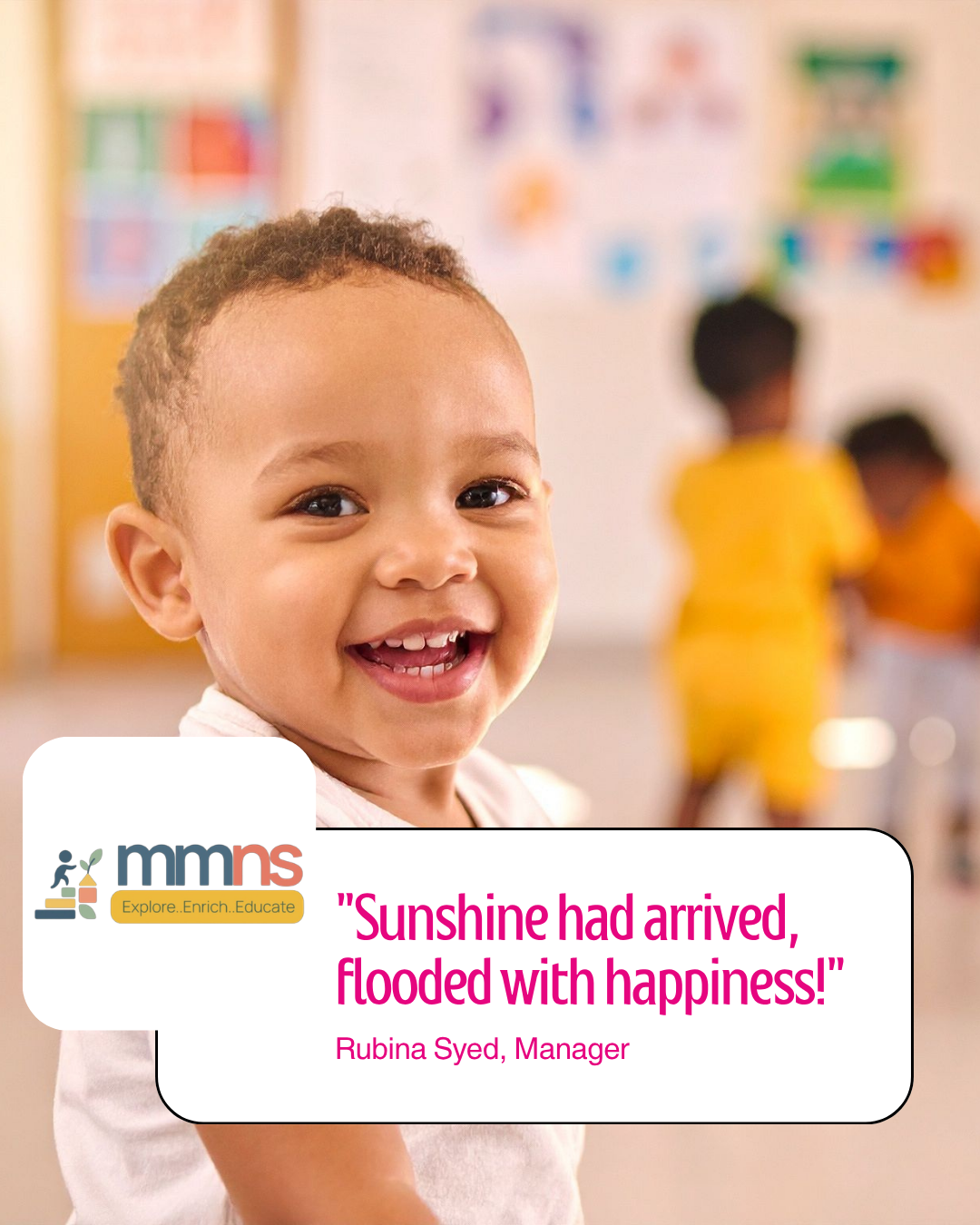
“DramEd is something completely different. As soon as they stepped foot in our school it was as if sunshine had arrived, and we were flooded with happiness and positivity.”
More than a drama lesson
What Rubina describes isn't just a fun session that children enjoy. It's curriculum integration in action. At Maria Montessori, DramEd doesn't arrive and deliver a one-size-fits-all programme. The sessions are woven into whatever the children are already exploring — from recycling projects to continents around the world.
“They incorporate our termly projects whether it is ‘recycling’ or a continent around the world so seamlessly and in such a fun way that children are eagerly absorbing the information.””
This is the heart of what we believe at DramEd: drama isn't a subject that sits beside the curriculum. It's a vehicle for everything else. Maths concepts, language development, social skills, emotional regulation — all of it can live inside a story, a song, a moment of pretend play.
Reaching every child, from 2 to 5
One of the challenges of early years drama is the range. A two-year-old and a four-year-old are in completely different developmental worlds. Keeping both engaged — bodies and minds — in the same session takes real skill. Rubina noticed this too:
“They engage with all the children ranging at our school from the age of 2 to nearly 5 years old and are able to keep both their minds and bodies involved in the sessions.
”
This is what structured, age-sensitive drama looks like in practice. It's not chaos — it's purposeful, carefully scaffolded play that meets children where they are.
Beyond the session
Perhaps one of the most telling details in Rubina's words is this: DramEd helped with the annual Christmas play. Not just by showing up on the day — but by supporting weekly rehearsals and bringing music into the songs the children were already singing.
That's the kind of partnership that changes a setting. Not a provider that delivers and leaves — but one that becomes part of the fabric of a nursery's life.
What this means for your setting
If you're a nursery manager or school leader reading this, you'll know that enrichment programmes live or die by their relationship with the children — and with your team. Rubina put it simply: “Both teachers and children look forward to their coming.”
That matters. A session that staff dread managing doesn't serve anyone. One that teachers look forward to — and even take inspiration from for their own planning — is something else entirely.
Want DramEd in your setting?
We work with nurseries and primary schools across London, delivering drama sessions for children aged 2–11. Get in touch at hello@dramed.com to find out more.
Are you a performer interested in building your own creative education business? Visit dramedlicensing.com to join our licensee waitlist.
— Grace | Founder, DramEd
